If you’ve ever tried to research gutters and ended up more confused than when you started, you’re not alone.
One contractor quotes you K-style aluminum. Another recommends seamless. A third suggests going from 5-inch to 6-inch because “roofs are bigger now.” Your neighbor swears by copper. The hardware store has twelve options, and no one on the floor can explain the difference between half of them.
The confusion exists because most gutter guides only cover one dimension of the decision at a time: shape or material, but never everything together. This guide fixes that. We cover every way gutters are classified: by shape, material, installation method, and size, then connect it all to a straightforward decision framework based on your home style, your climate, and your budget. By the end, you’ll know exactly what to ask for, and exactly why.
Types of Gutters by Shape
Shape determines how much water a gutter can handle, how it looks, and how easy it is to maintain.
1. K-Style Gutters

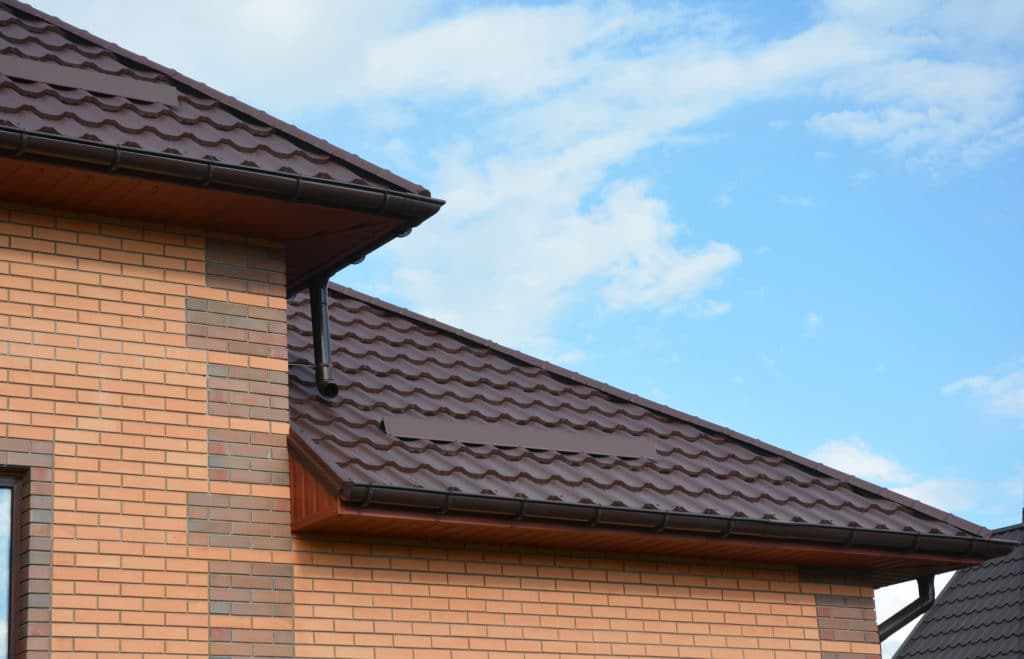
The most common gutter in America is found on roughly 80% of homes. Despite the name, they don’t look like a “K.” From the side, the front curves like decorative crown molding, and the back is completely flat, so it nails directly to the fascia without brackets.
That flat back makes them more stable, easier to install, and capable of holding about twice the water of a same-width half-round gutter.
| Best For: | Most modern homes |
| Sizes: | 4″, 5″, 6″ |
| Weakness: | Sharp interior corners trap debris |
2. Half-Round Gutters

A semicircular trough was the standard before K-style took over mid-century, which is why you’ll still find them on older homes. The smooth, curved interior is a real advantage: leaves and water flow through more freely with no corners to catch on.
The trade-off is capacity and installation. Half-round gutters require external brackets (adding cost), and they hold less water than K-style at the same width. If you’re in a historic district, local ordinances may actually require them to check before you decide.
| Best For: | Colonial, Victorian, and historic homes |
| Sizes: | 5″, 6″ |
| Weakness: | Lower capacity, external brackets required |
3. Box Gutters

Large, square-profile gutters built directly into the roofline, tucked under the shingles rather than hung from the fascia. They’re nearly invisible from the street and designed for serious water volume.
The downside: they must be installed during new construction or a full roof replacement, and a neglected box gutter can back water up under your shingles, causing real structural damage.
| Best For: | Commercial buildings, large homes with low-pitched roofs |
| Weakness: | Expensive, high-maintenance consequences |
4. Fascia Gutters

A hybrid design that replaces the fascia board entirely, serving as both gutter and fascia in one custom-fabricated piece. No visible hardware, no exposed brackets — just a clean, continuous line along the roofline.
They cost more than standard seamless gutters and require professional installation. A poor install can damage the roof structure.
| Best For: | Contemporary and minimalist homes |
| Weakness: | Higher cost, narrower opening, pro installation only |
5. European / Ogee Style Gutters

A premium variation of the half-round, where the bead turns outward instead of inward. The wider opening handles heavy rain better, and the curved floor makes it harder for birds to nest. Relatively niche in the US market.
| Best For: | High-end and European-inspired architecture |
| Weakness: | Higher price, less widely available |
Types of Gutters by Material
| Material | Cost/ft (installed) | Lifespan | DIY? | Rust Risk | Best For |
| Vinyl | $3–$6 | 10–20 yrs | Yes | None | Budget, mild climates |
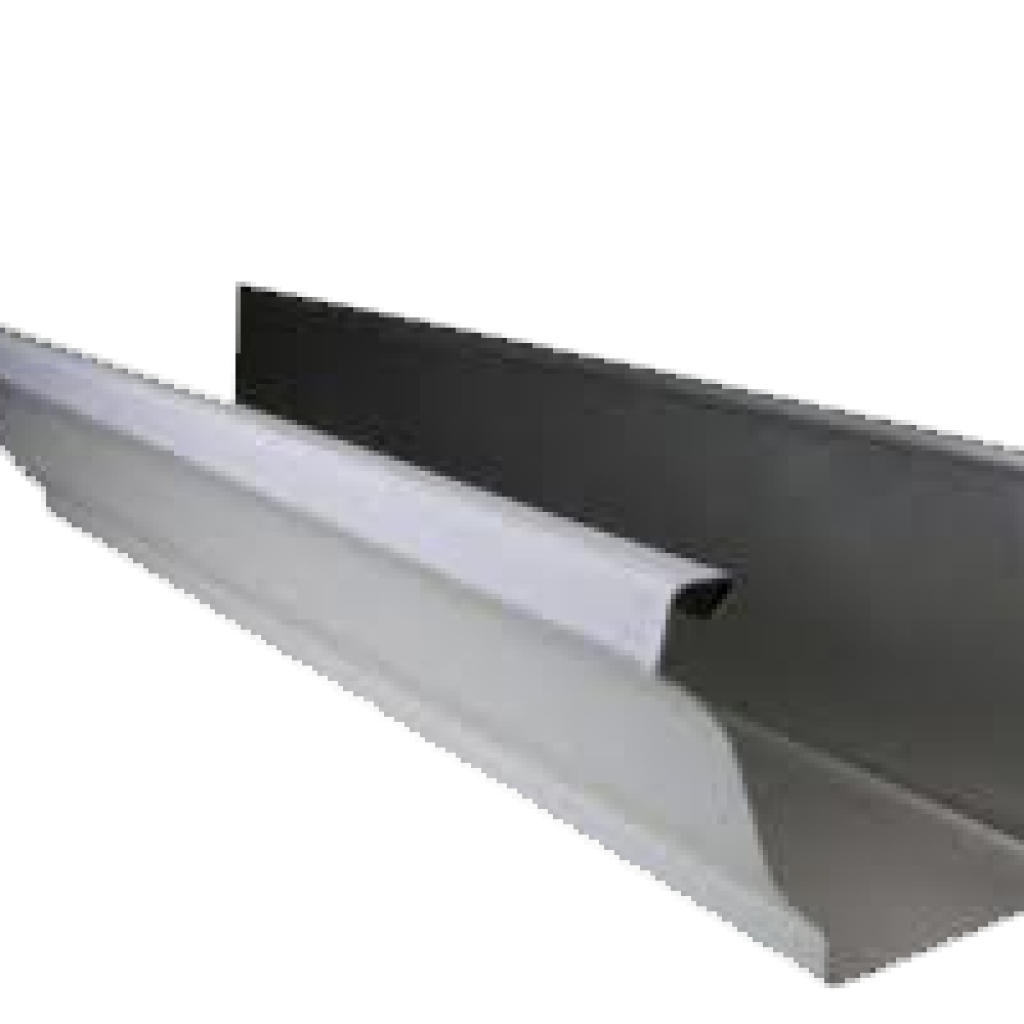
| Aluminum | $6–$12 | 20–30 yrs | Yes | None | Most homes |
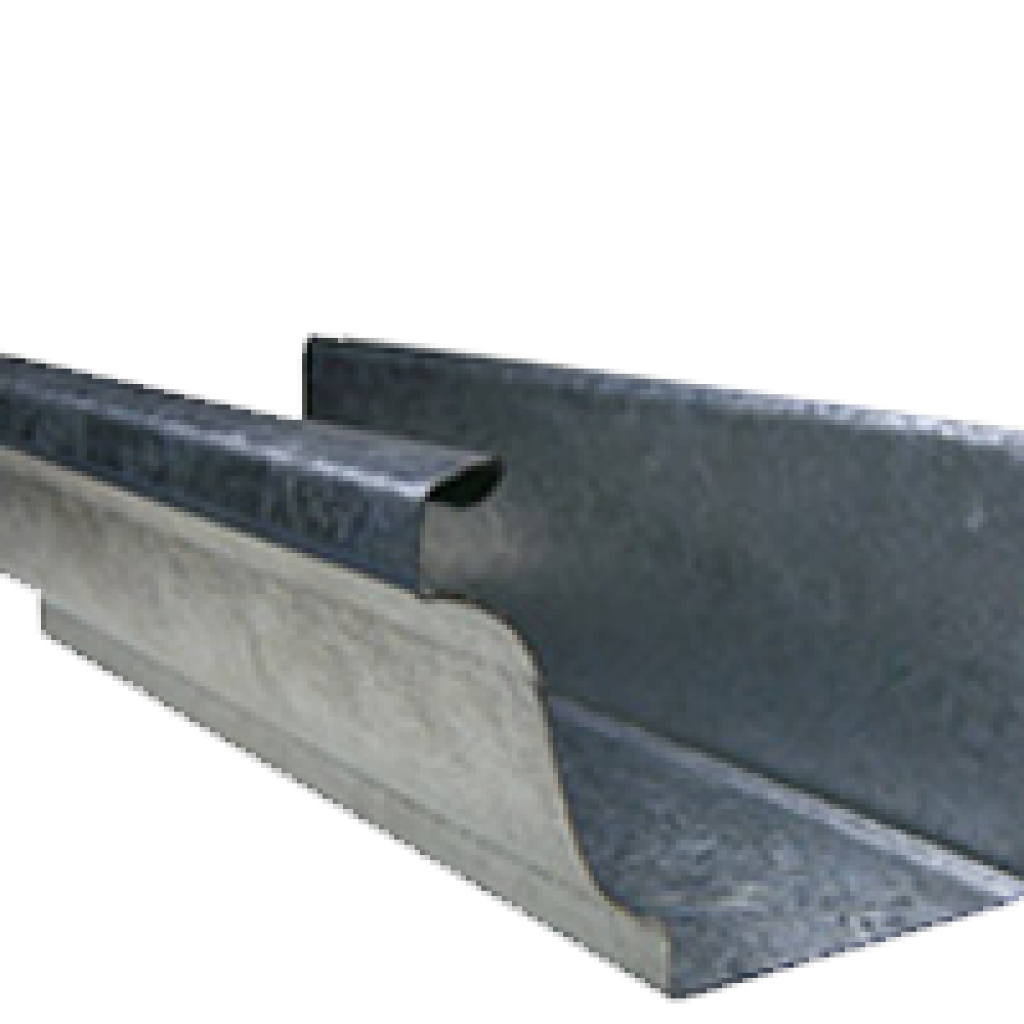
| Galv. Steel | $8–$14 | 20–30 yrs | No | Medium | Snow/heavy rain regions |
| Zinc | $20–$35 | 50+ yrs | No | Low | Premium, modern homes |
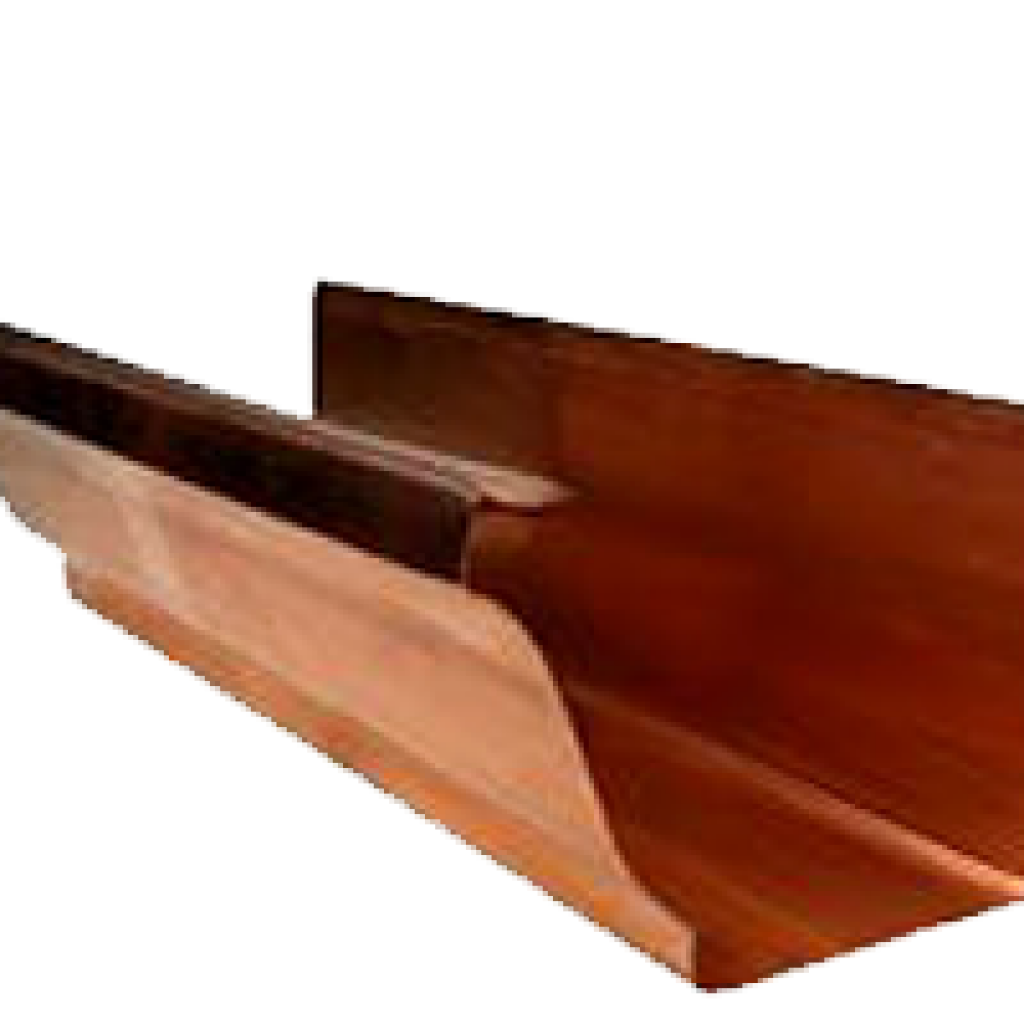
| Copper | $25–$40+ | 50–100 yrs | No | None | Luxury, historic homes |
| Wood | $15–$25+ | 10–25 yrs | No | High (rot) | Historic restoration only |
A few things worth knowing that the table doesn’t capture:
Vinyl:
Vinyl is the cheapest option, but it becomes brittle in sustained cold and warps in extreme heat. Not a good fit for harsh climates.
Aluminum:
It is the industry default for good reason: lightweight, rustproof, available in 30+ colors, and works in almost every climate.
Galvanized steel:
It handles heavy snow and debris well, but the zinc coating wears over time, and the steel beneath will rust if you don’t maintain it.
Copper:
It requires soldering, so it’s always a professional job. The upfront cost is steep, but a properly installed copper system can outlast the home.
Zinc:
It is similar to copper in longevity, slightly cheaper, and self-healing; small scratches seal themselves with an oxide layer. Avoid near the ocean; salt air degrades it faster.
Wood:
This is rarely installed today except on historic restorations where authenticity is required. It demands constant maintenance and struggles in humid climates.
Types of Gutter By Installation Method: Seamless vs. Sectional
This one affects how long your gutters last, how often they leak, and how much maintenance you’ll deal with for the next 20 years.
Sectional Gutters
Pre-cut in 10-foot pieces, joined along the roofline with connectors and sealant. Available at hardware stores, genuinely DIY-friendly, and easy to replace one section at a time.
The problem is the seams. Every joint is a potential leak. Sealant degrades, seams expand and contract with temperature changes, and debris catches at the connections. More sections = more eventual leak points.
Seamless Gutters
Fabricated from a single continuous piece of metal, custom-cut on-site using a roll-forming machine, the contractor brings to your home. The only seams are at corners and downspout outlets, unavoidable, but minimal.
The result: fewer leaks, better water flow, cleaner appearance. Seamless gutters account for roughly 80% of new residential installs in the US today. For a deeper look at what these systems involve, see our guide on all about seamless gutters — the ins and outs.
You cannot DIY seamless gutters. The roll-forming machine makes professional installation mandatory.
| Factor | Sectional | Seamless |
| Cost | Lower upfront | Higher upfront |
| Leak risk | Higher (seam joints) | Much lower |
| DIY possible | Yes | No |
| Maintenance | More frequent | Less frequent |
| Appearance | Visible seams | Clean, continuous |
Bottom line: If you’re hiring a contractor anyway, go seamless. The cost difference is modest compared to the long-term performance gain, and seamless gutters can meaningfully increase your home’s value too.
Gutter Size: What Actually Determines the Right Choice
“Get 5-inch or 6-inch” isn’t enough advice. Three variables determine the right size for your specific home:
Roof drainage area: The square footage of each roof section draining into a given gutter run. Larger sections shed more water and need more capacity.
Roof pitch: The steeper the roof, the faster and harder water hits the gutter. A 12/12 pitch generates about 30% more effective runoff than a flat pitch at the same square footage.
Local rainfall intensity: High-rainfall regions (Pacific Northwest, Gulf Coast) have significantly higher intensity figures than the Southwest, and those numbers directly drive sizing decisions.
Quick Reference
| Size | Best For | Capacity vs 5″ | Typical Downspout |
| 4″ | Small roofs, low rainfall | Less | 2×3″ |
| 5″ | Most residential homes | Baseline | 2×3″ or 3×4″ |
| 6″ | Large roofs, steep pitch, heavy rain | +44% more water | 3×4″ |
The cost difference between 5-inch and 6-inch is typically $2–$4 per linear foot installed. When in doubt, size up.
Gutter size and downspout size work together; see our guide on choosing the right gutter downspout size for the full picture.
How to Choose Based on Your Home
By Home Style
- Modern / Ranch / Suburban: 5″ or 6″ K-style seamless aluminum. The default for most American homes.
- Historic / Colonial / Victorian: Half-round in aluminum, copper, or zinc. Check local zoning; some historic districts legally require half-round profiles.
- Contemporary / Minimalist: Fascia gutters in aluminum or copper. Clean roofline, no visible hardware.
- Large home / Commercial: Box gutters or 6″ K-style seamless with oversized downspouts.
By Climate
- Heavy rainfall (Pacific Northwest, Gulf Coast, Southeast): 6″ K-style seamless aluminum or steel. More downspouts than average.
Do gutter guards really work?, worth reading before you decide on leaf protection in high-debris regions. - Heavy snow and ice (Northeast, Upper Midwest, Mountain West): K-style or half-round in aluminum or steel. Avoid vinyl — it cracks in sustained cold.
Also worth reading: what is an ice dam and how to keep your gutters from freezing. - Extreme heat / Southwest: Skip vinyl (it warps). Aluminum or steel only. Standard 5″ K-style is usually sufficient given low rainfall.
- Coastal / Salt air: Aluminum or copper only. Avoid zinc and galvanized steel — salt air accelerates corrosion significantly.
By Budget
- Tight: Sectional vinyl or aluminum, DIY, 5″ K-style. Very low total cost for a straightforward single-story home.
- Mid-range: Seamless aluminum, professional installation, 5″ or 6″ K-style. The sweet spot for most homeowners.
- Long-term investment: Seamless copper or zinc. Very high upfront, but a system that can outlast the home with minimal maintenance.
Frequently Asked Questions
What’s the most common gutter type?
K-style seamless aluminum is installed on roughly 80% of American homes.
What lasts the longest?
Copper (50–100 years), followed by zinc (50+ years). Both significantly outlast aluminum (20–30 years) and vinyl (10–20 years).
Are seamless gutters worth it?
Yes, for most homeowners. Fewer leak points, less maintenance, longer lifespan. If you’re already paying for installation, the cost difference over sectional aluminum is usually modest.
5-inch or 6-inch?
5-inch for most single-story homes in moderate climates. Upgrade to 6-inch if your roof pitch is above 6/12, your drainage area exceeds 2,000 sq ft, or you’re in a high-rainfall region.
Can I install gutters myself?
Sectional vinyl and aluminum are a real DIY option. Seamless gutters require a roll-forming machine always professionally installed. Copper and zinc require soldering or welding, never DIY. If you’re going the DIY route, read mistakes to avoid when installing rain gutters first.
The Bottom Line
Gutters are one of those home systems where a bad decision doesn’t show up right away. A wrong material, an undersized gutter, or a poor installation quietly allows water to work against your foundation and fascia for years before the damage becomes visible. Water damage from clogged rain gutters is one of the most preventable causes of structural issues in homes, and it almost always starts with a small, ignored problem.
Get the shape right for your architecture. Choose a material that fits your climate and budget. Go seamless if you’re hiring a pro. Size the system based on your actual roof and rainfall, not a contractor’s default recommendation.
Made well together, those four decisions give you a gutter system that protects your home for decades without demanding much in return. And once it’s installed, knowing the 12 signs you need to replace your gutters will help you stay ahead of problems before they become costly.